When it comes to transporting your vehicle, whether it's for relocation, sale, or a long-distance move, choosing the right transport service is crucial. Enterprise Vehicle Shipping offers a reliable and cost-effective solution for shipping cars, trucks, SUVs, and motorcycles. In this guide, we’ll cover everything you need to know about Enterprise vehicle shipping, ensuring that your transport experience is safe, efficient, and affordable.
1. Understanding Enterprise Vehicle Shipping Options
Enterprise Vehicle Shipping provides a range of transport services to suit various needs. It’s essential to understand the different options available to choose the right one for your vehicle and budget:
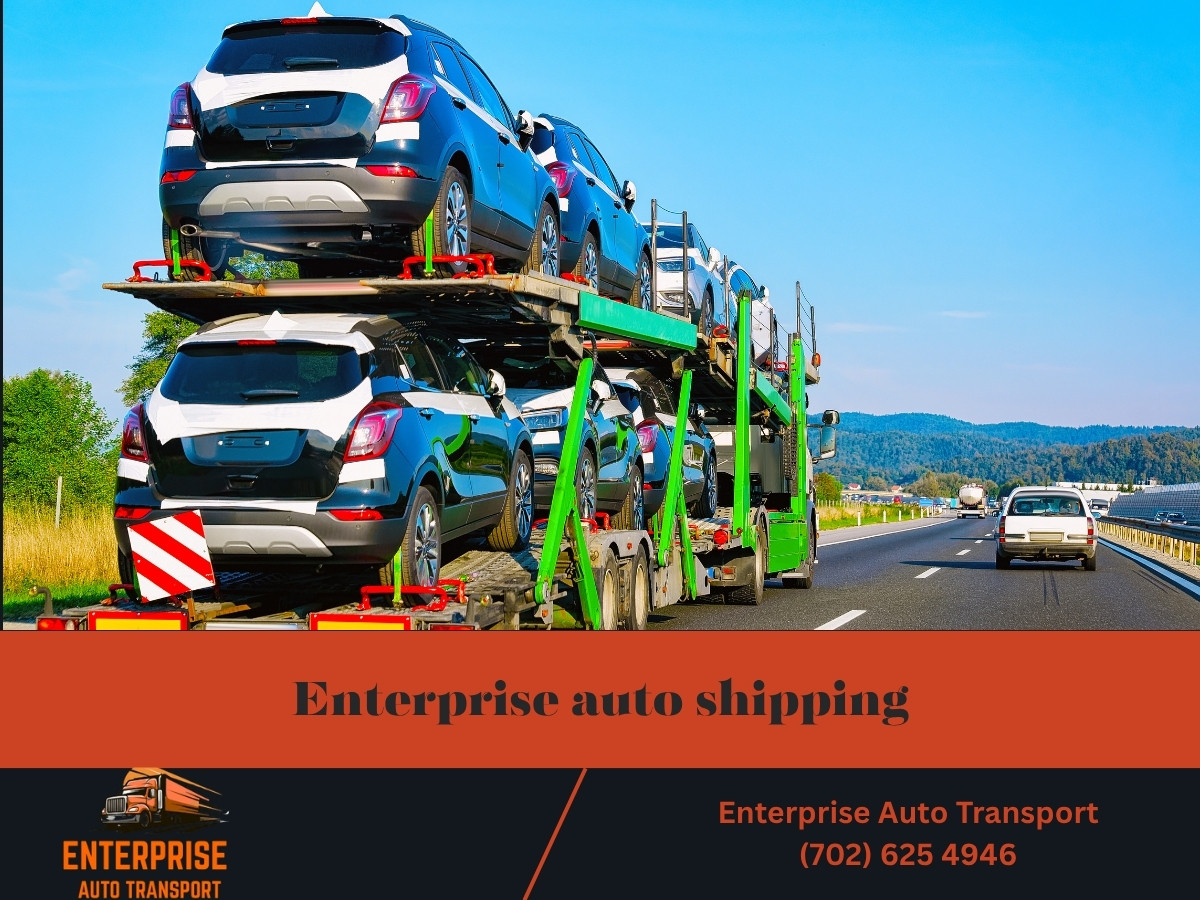
- Open-Air Transport: Open-air transport is the most affordable way to ship your vehicle. Your car is loaded onto an open trailer with other vehicles. While this method is cost-effective, it exposes your vehicle to the elements, such as weather and road debris. Enclosed Transport: This service is designed for vehicles that require extra protection, such as classic cars, luxury vehicles, or motorcycles. Enclosed transport keeps your vehicle safe from weather conditions and road hazards by shipping it inside a closed trailer. Although this option costs more, it provides superior protection for valuable vehicles. Door-to-Door Service: With this service, your vehicle is picked up and delivered directly to and from your location. Door-to-door service is highly convenient but may come at a slightly higher price compared to terminal-to-terminal service. Terminal-to-Terminal Service: If you’re looking for a more budget-friendly option, terminal-to-terminal shipping allows you to drop off and pick up your vehicle at designated terminals. This option is usually cheaper but requires you to travel to and from the terminals, which can be less convenient.
Choosing the right shipping method depends on your vehicle’s value, the level of protection you want, your budget, and your convenience preferences.
2. Factors That Affect the Cost of Enterprise Vehicle Shipping
When booking vehicle shipping with Enterprise, the cost can vary depending on several factors. Understanding these elements will help you plan your budget and avoid any surprises:
- Distance: The farther your vehicle needs to travel, the more expensive the shipping will be. Long-distance transport requires more time and fuel, which increases the cost. Vehicle Type: Larger vehicles, such as trucks or SUVs, will typically cost more to ship because they take up more space on the transport carrier. If your vehicle is an oversized load, you may incur additional charges. Transport Method: As previously mentioned, enclosed transport tends to be more expensive than open-air transport because it offers better protection for your vehicle. Seasonality: Car shipping prices can fluctuate depending on the time of year. The demand for auto shipping increases during peak seasons, such as summer or the holiday season, leading to higher prices. Location: The cost of shipping can also be affected by your pick-up and delivery locations. Shipping to or from remote areas or difficult-to-reach locations may result in higher costs.
To ensure you’re getting the best price, it’s always a good idea to request quotes from multiple providers and compare the services included in the cost. Make sure you are aware of any hidden fees or additional charges.
3. How to Prepare Your Vehicle for Enterprise Shipping
Proper preparation of your vehicle before shipping is essential for a smooth transport experience. Enterprise Vehicle Shipping has specific guidelines that ensure your vehicle is ready for safe shipping:
- Clean Your Vehicle: Washing your car before shipping allows the transport company to inspect it for any existing damage, which should be documented before transport. Remove Personal Items: It’s important to remove all personal belongings from your vehicle. Transport companies typically do not allow personal items inside the car during shipping due to insurance and safety concerns. Check the Vehicle’s Condition: Ensure that your vehicle is in running condition if possible. If your car is inoperable, let the shipping provider know, as it may require special equipment for loading and unloading. Take Photos: Document the current condition of your vehicle with photos from various angles. This will help in case you need to file a claim for any damage that may occur during transport. Leave Only a Small Amount of Gas in the Tank: Keeping the gas tank about a quarter full reduces the weight of the vehicle and prevents any fuel spills during transport.
Proper vehicle preparation helps avoid delays, ensures the safety of your car, and makes the shipping process much smoother.
4. What to Expect During the Shipping Process
Once your vehicle is in transit, it’s natural to want to stay informed. Here’s what you can expect during the shipping process with Enterprise Vehicle Shipping:
- Pick-Up: The transport company will coordinate the pick-up date and location with you. If you’re using door-to-door service, the driver will come directly to your home. For terminal-to-terminal service, you’ll need to deliver the car to the designated terminal. Transportation: Your vehicle will be loaded onto the transport carrier, and you’ll receive an estimated delivery window. Depending on the distance and type of transport, the shipping time may vary. Communication and Tracking: Many transport companies, including Enterprise, offer real-time tracking services, allowing you to follow the progress of your vehicle while it’s in transit. You’ll also be able to contact customer support if you have any questions or concerns during the journey. Delivery: Upon arrival, inspect your vehicle for any damages that might have occurred during transit. If everything looks good, you can sign off on the delivery. If there are issues, report them immediately to the transport company.
Throughout the process, it’s important to stay in communication with the transport company and keep an eye on your vehicle’s progress. Regular updates will give you peace of mind.
5. Insurance Coverage for Enterprise Vehicle Shipping
One of the key concerns when shipping your vehicle is ensuring that it is properly insured in case of damage or accidents during transport. Enterprise Vehicle Shipping typically includes insurance coverage as part of the service, but the specifics can vary depending on the transport method and the shipping provider.
Here’s what you need to know about insurance coverage when shipping your vehicle:
Enterprise auto shipping- Standard Insurance: Most transport companies offer basic insurance coverage that protects your vehicle against damage during transport. The standard coverage may not cover all types of damage, so be sure to inquire about the policy’s specifics. Additional Insurance: If you want extra protection, you can often purchase additional insurance through the transport company or your own insurer. This can help cover more extensive damage or accidents that may occur during shipping. Documentation: To ensure that you are properly covered, make sure to document the condition of your vehicle before shipping. Take photos of any existing damage, and keep a record of your vehicle’s make, model, and VIN (Vehicle Identification Number).
Understanding the insurance coverage options available to you will help you feel more confident about shipping your vehicle and protect you in case of an unexpected incident.
Conclusion: Safe and Affordable Enterprise Vehicle Shipping
Enterprise Vehicle Shipping offers a range of transport options to fit your needs, budget, and timeline. By understanding the shipping methods, costs, vehicle preparation, and insurance coverage, you can make an informed decision and ensure that your vehicle arrives safely at its destination.
Contact Us:
Enterprise Auto Transport
(702) 625 4946